


 Call Us
 Directions
2027 Toyota C-HR Offers Two Ways to Choose a Compact Electric SUV

Toyota’s 2027 C-HR gives South Bay shoppers a compact electric SUV to consider, with a decision that goes
beyond choosing a color: does the SE meet your everyday needs, or are the XSE’s additional features worth
prioritizing? Toyota’s August 6, 2026 announcement describes a carryover model, unchanged from the
preceding model year. This is a closer look at that announced lineup, not a claim of a new November redesign.
Start with what the C-HR is
Toyota’s 2027 C-HR press kit, dated August 6, identifies it as a battery-electric vehicle with standard all-wheel
drive and 338 net combined system horsepower. It comes in SE and XSE grades and offers up to 25.3 cubic feet
of cargo space behind the rear seats.
That last figure is useful when comparing vehicles for daily life. It describes space with the rear seats available
for passengers, rather than a larger number that requires folding them. For a household carrying people and
bags together, the seating arrangement behind a cargo figure matters as much as the figure itself.
Key takeaways
Compare SE and XSE using the features you expect to use regularly.
Check luggage space with the seats positioned for your real passenger needs.
Confirm a charging plan and specific vehicle availability before arranging a purchase.
What separates SE and XSE
In its August 6 model announcement, Toyota lists heated front seats, a heated steering wheel, a power liftgate
and a 14-inch touchscreen among SE equipment. XSE adds items including a power passenger seat, driver
memory and a Panoramic View Monitor. A panoramic fixed glass roof with a power sunshade is available on
XSE; it is not something to assume every XSE includes.
Those differences suggest a straightforward way to shop. If two drivers share the vehicle, ask each to set up
the seat and mirrors. If a passenger frequently rides along, have that person try their seating position too. A
feature is easier to value when you can connect it to a repeated task rather than a hypothetical future use.
For parking assistance, ask to see the actual camera display while stationary and learn what it does and does
not show. Treat it as help for the driver, not a substitute for checking surroundings. Compare your confidence
using the equipment with your comfort seeing directly out of the vehicle.
Give compact dimensions a real world test
Toyota lists the C-HR at 177.9 inches long, 73.6 inches wide and 63.8 inches high in the announcement. Use
those dimensions to begin planning, then verify the clearances that matter for your own parking space,
including mirrors and room to open doors.
For a Manhattan Beach or Hermosa Beach household, a useful test is the parking routine itself. Where does
the driver step out? Can a passenger open a door comfortably? Will you need to move another vehicle to
reach charging equipment? Measuring those spaces before an appointment can turn a vague concern into a
question the dealership can help answer.
Bring a typical load rather than packing for the largest trip you can imagine. Work bags, groceries, a stroller or
sports equipment can show whether the cargo opening and floor shape work for you. Check which items fit
without blocking passenger space or requiring an awkward loading motion. Also try the rear seating with the
front seats adjusted normally.
Separate the vehicle decision from the charging assumption
Because this C-HR is battery-electric, charging belongs in the purchase discussion from the start. Ask how the
exact vehicle would fit the place you park most nights. If installation is being considered, obtain a qualified
electrician’s assessment and any required property approval before treating home charging as settled.
For a shared garage or workplace arrangement, confirm access and the terms with the property or equipment
operator. Make a backup plan that fits your schedule. The goal is to understand the routine you will actually
live with, rather than choosing a vehicle around a charging arrangement that has not been confirmed.
Shopper questions
Is the 2027 C-HR newly redesigned this month?
No. Toyota’s dated announcement describes an unchanged model for 2027.
Will every XSE have the glass roof?
No. Check the specific vehicle’s optional equipment before making that assumption.
Are vehicles already available at Manhattan Beach Toyota?
Toyota’s August announcement projected national arrivals beginning in September. That guidance does not
verify current local stock. Ask the dealership about a particular listing.
Compare the C-HR with your own priorities
Explore Manhattan Beach Toyota’s new vehicle listings and contact the dealership to discuss SE and XSE
availability. Bring your parking measurements and feature priorities so the conversation starts with how you
intend to use the vehicle.
Toyota-Backed IONNA Expands: An EV Charging Checklist for South Bay Drivers
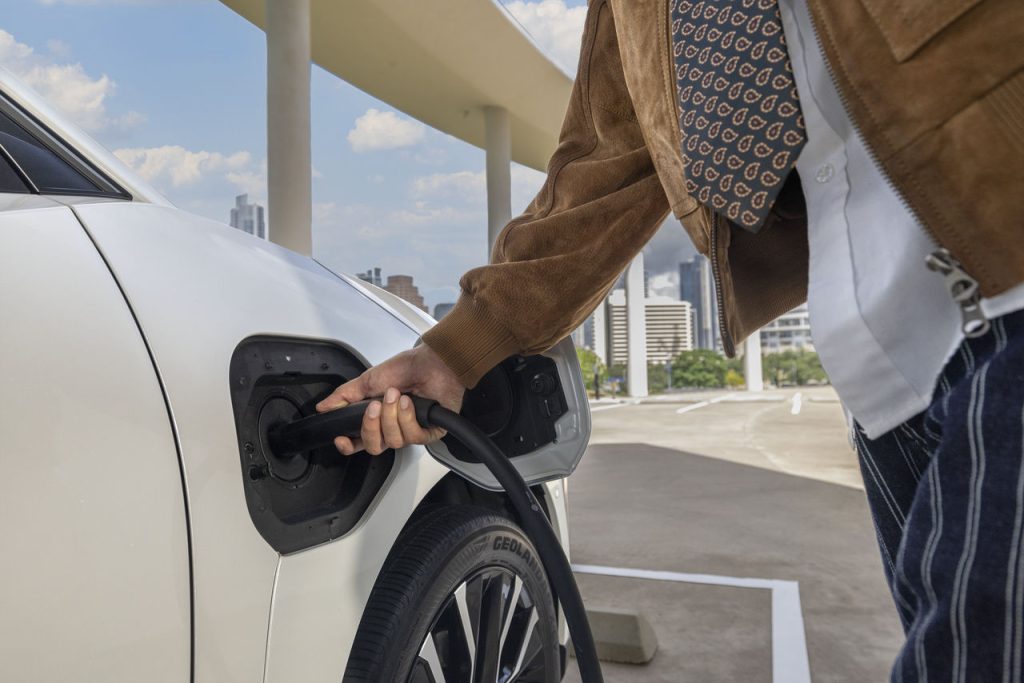 Toyota-Backed IONNA Expands: An EV Charging Checklist
for South Bay Drivers
Toyota-backed charging network IONNA reported more than 180 live U.S. locations in a September 30, 2026,
update. For Manhattan Beach drivers considering an electric vehicle, expanding infrastructure is relevant
news—but a useful charging plan still depends on the particular vehicle and route. The announcement
published by Toyota offers a snapshot of the network’s progress.
Key takeaways
IONNA reported nationwide growth, including at least 40 Circle K charging locations.
New Toyota and Lexus app integrations were announced; Plug & Charge was described as coming soon for
certain models.
The update does not establish a charging site in Manhattan Beach or confirm compatibility for your specific
vehicle.
Turn the network news into a route check
If you are researching an EV, start with one trip you genuinely expect to take. Choose the starting point,
destination, and a realistic departure time. Then work through the charging questions that would make you
comfortable taking that trip.
For a South Bay driver, that might mean comparing a weekday routine with a weekend drive out of the area.
Keep those situations separate. A convenient stop during a road trip does not automatically answer where you
would charge during a normal working week.
Before relying on any location, check its current listing through the network’s official information or a
supported service. Record the exact address, access instructions, and connector details. Also identify an
alternative that fits your route. Treat the backup as part of the plan rather than something to research after
arriving at your first choice.
Verify the vehicle and connector together
Bring the model name and model year into every compatibility question. Ask which charging connections the
vehicle supports and whether the station you have selected is suitable. If an adapter is involved, verify the
manufacturer’s guidance for that particular vehicle and charging network before depending on it.
When shopping, request a demonstration of how to identify the charging port and find the relevant
information in the owner’s materials. Ask the team to walk through a real station listing with you. Knowing
which details to check is more valuable than remembering a broad statement that a vehicle can use public
chargers.
This is also a good moment to distinguish equipment you need immediately from accessories you might use
later. Ask for the exact included items and confirm what, if anything, must be obtained separately for your
intended charging routine.
Check payment, status, and time before departure
Do the account setup before the day of your trip. Confirm the supported payment method for your chosen
station and how you will start and end a session. Ask where you can review the current rate and any additional
charges before connecting.
Practice finding station status and support information. Save the location details and know where to find
assistance if the session does not start as expected. Before departure, check the selected station again and
revisit your alternative if the listing raises a concern.
For timing, request a realistic charging estimate for your vehicle and intended arrival battery level. Do not build
the schedule around the largest number on a station listing. Ask what assumptions sit behind the estimate and
allow room in your itinerary for the stop itself, including entering the site and getting back onto your route.
If you are traveling with children or other passengers, consider what everyone needs during the break. Verify
amenities and access rather than assuming every location offers the same experience.
Questions to resolve before your first trip
Does the announcement mean I can use Plug & Charge now?
Confirm current availability, eligibility, and setup requirements for your exact vehicle. A future capability
mentioned in an announcement should not be treated as an activated feature in your car.
Where should I start if I am still choosing an EV?
Bring your weekday parking situation and one representative road trip to the shopping conversation. Ask to
review the vehicle’s charging instructions and map out a workable routine before making a decision.
Should I select only one charging stop?
Identify a practical alternative before leaving. Review both options along with your vehicle’s guidance, and
avoid making the entire trip depend on an unchecked listing.
Explore new Toyota inventory at Manhattan Beach Toyota, or contact our team to discuss the vehicle you are
considering. Bring your route and charging questions so the conversation can focus on your actual driving
needs.
Manhattan Beach Toyota is located at 1500 N. Sepulveda Blvd. in Manhattan Beach.
Source: Toyota USA Newsroom, September 30, 2026, linked above.
Electric vs Hybrid: Which is Better For Families?
